For Advertisers & UGC Creators
Make AI Videos in Claude, Then Prove They Work Before You Spend
Here is the whole idea in one breath: you can now make a video just by asking Claude, and then — in the same chat — ask "is this any good?" and get a real answer before you spend a single dollar running it. Making the video is one tool. Checking the video is another. Put them next to each other and you have a little machine that only lets good ads out the door.
Explain it like I'm five
A robot (Higgsfield) draws you a video. A second robot (PreTestAds) is like a teacher who grades it and says "kids will watch this part" or "kids get bored here." If the grade is bad, you ask the first robot to draw it again — but better. You keep going until the grade is good. Then you show it to the world. No wasted money, no guessing.
The loop, in three words: make → test → fix
Most people do only the first step. They generate a beautiful AI video, feel excited, and put money behind it. Then they find out — from the ad account, days later, after the budget is spent — that viewers scrolled past it. The fix is to add two more steps before the money:
- Make it. Ask Claude to generate the video with the Higgsfield MCP.
- Test it. Ask Claude to score it with PreTestAds — a model trained on real brain-response data — against 76 top-performing TikTok ads.
- Fix it. If the score is weak, tell Claude exactly where viewers dropped and have it regenerate that part. Re-test. Repeat until it's strong.
That third step is the magic. Because Claude made the video and read the score, it can fix the exact weak second and try again — a positive feedback loop that gets better every round instead of just prettier.
Part 1 — Teach Claude to make videos (Higgsfield MCP)
An "MCP" is just a plug. You plug Higgsfield into Claude once, and from then on Claude can make video and images for you by chatting. Here are the steps, straight from Higgsfield's own guide. Screenshots below are theirs.
Step 1 — Open Claude's settings
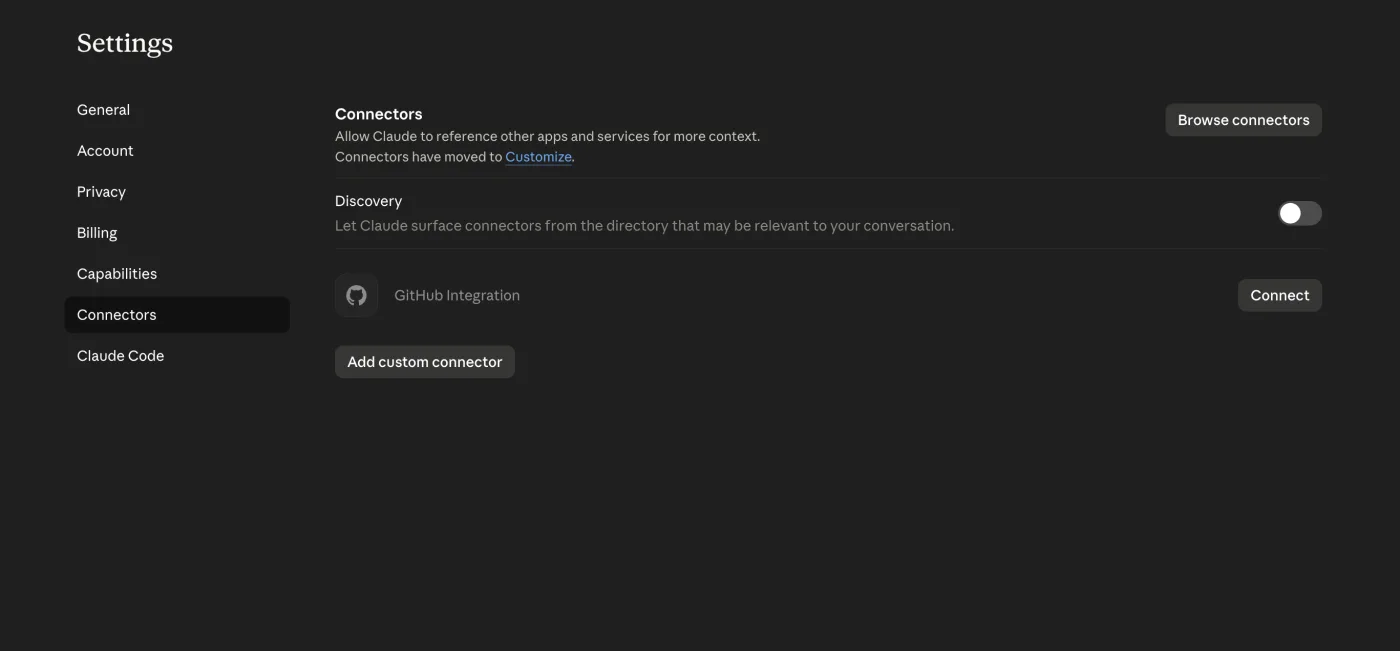
In the Claude desktop app or on claude.ai, go to Settings → Connectors. This is where you add new plugs.

Step 2 — Add a custom connector
Click Add custom connector, name it Higgsfield, and paste the server address:
https://mcp.higgsfield.aiSave it.
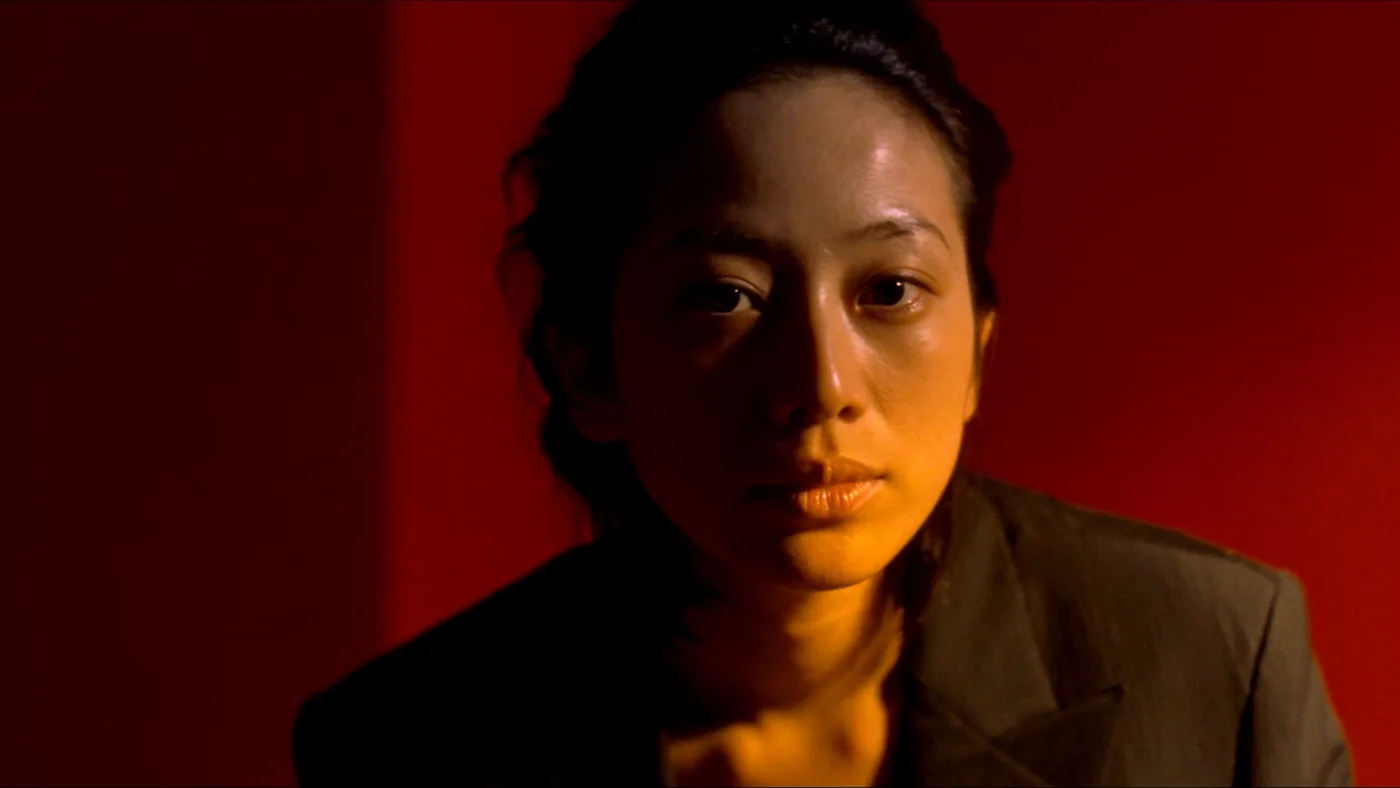
Step 3 — Connect and sign in
Click Connect. Claude sends you to sign in to your Higgsfield account. New accounts come with some free credits so you can try it right away.

Step 4 — Let it run without nagging you (optional)
Set read and write permissions to Always Allow so Claude doesn't stop to ask permission on every single request. Nice for long batches; skip it if you like approving each step.
Step 5 — Ask for a video in plain English
Open a new chat and just describe what you want. For example:
Generate a cinematic 5-second wide shot of a neon-lit Tokyo alley at night, rain on the pavement, one figure walking away from camera. Use Seedance 2.0.The connector reaches 30+ models — Veo, Sora, Kling, Seedance, Flux and more — and can keep a character consistent across shots, accept your own images or footage, and even edit and extend clips, all by chatting.

Part 2 — Teach Claude to grade the video (PreTestAds)
Now the second plug. This one lets Claude ask PreTestAds to score any video, image, or script. The score is a percentile against 76 top-performing TikTok ads plus a second-by-second curve of where attention rises and falls — from a neural model trained on real brain-response data, not vibes.
Install the PreTestAds plugin once:
/plugin marketplace add krecicki/pretestads-claude-pluginThen give it a way to pay for runs — pick one:
- Your PreTestAds API key — uses the credits on your account. Best if you already have an account and want everything on one bill. Grab a key here.
- A crypto wallet — pays $5 USDC per score over the x402 protocol (Solana or Base). No account, no signup — the agent just pays as it goes.
With that in place, in the very same chat where Claude made the video you can say:
Score that video with PreTestAds and show me where viewers drop.Claude uploads the clip, waits for the model, and reads back a number (0–100), a label (weak / moderate / strong), and the attention curve.
Part 3 — Close the loop (this is the money part)
Here's where the two plugs become one machine. Because Claude made the video and just read the score, it can act on the weakness immediately. A real exchange looks like this:
You: Make three UGC-style hooks for my skincare serum, then score each one.
Claude: Done. Hook A scored 41 (weak) — viewers drop hard at second 2. Hook B scored 78 (strong). Hook C scored 63 (moderate).
You: Keep B. Regenerate A with a faster open — put the product result in the first second — and re-score it.
Claude: New A scored 74 (strong). Want both B and the new A exported for upload?
You never guessed. You never paid to run a loser. The only thing that reached your ad account — or your client — was creative that already proved it holds attention. That is the difference between "AI makes ads faster" and "AI makes ads that work."
Two people this is for
Advertisers & brands. You're about to put money behind creative. Scoring first means you spend media budget only on videos that cleared the attention gate — and you catch the weak ones while they cost a testing fee, not a campaign.
UGC creators. You're selling a video and the client is nervous it won't perform. Deliver it with a score attached — the percentile and the curve — and you've turned "trust me" into proof. Creators who deliver with a score charge more and win the close, because they're volunteering for the exact accountability everyone else avoids.
One honest caveat
An attention score predicts whether people watch — it does not promise your offer converts, that claims are compliant, or that the video fits your brand. Those stay your call. But attention is the gate everything else waits behind: a video nobody watches can't sell anything. Clear the gate first, then let real results decide the rest.
Make it, then prove it
Generate with Higgsfield, score with PreTestAds. First analysis is free, no card required.
Get Your PreTestAds KeyBuilding an agent instead? Pay per score over x402.
Frequently asked questions
What is the Higgsfield MCP and how does it work with Claude?
The Higgsfield MCP is a connector you add to Claude under Settings → Connectors using the server URL https://mcp.higgsfield.ai. Once connected and signed in to your Higgsfield account, you can ask Claude in plain English to generate AI videos and images with 30+ models (Veo, Sora, Kling, Seedance and more) without leaving the chat.
Why should I test an AI-generated ad before running it?
AI makes it cheap to generate ten versions of a video — but generating them tells you nothing about which one holds attention. Running all ten to find out costs real ad budget. Scoring each one first with an attention model costs a testing fee instead of a media budget, and it points Claude at the specific weak spot to regenerate.
How do I connect PreTestAds to Claude?
Install the PreTestAds Claude plugin with /plugin marketplace add krecicki/pretestads-claude-plugin, then add your PreTestAds API key (account credits) or a crypto wallet ($5 USDC per run over x402, no account needed). After that you can say 'score this ad' in the same chat where Claude just made the video, and it returns a 0–100 attention score benchmarked against 76 top TikTok ads.
Can UGC creators use this to prove their videos are worth the price?
Yes. A UGC creator can generate or edit a video, score it, and deliver it to the client with the attention percentile and second-by-second curve attached. That turns 'trust me, it's good' into a number the buyer can see — which is exactly the proof most of the market can't produce.